Address
304 North Cardinal St.
Dorchester Center, MA 02124
Work Hours
Monday to Friday: 7AM - 7PM
Weekend: 10AM - 5PM
Address
304 North Cardinal St.
Dorchester Center, MA 02124
Work Hours
Monday to Friday: 7AM - 7PM
Weekend: 10AM - 5PM

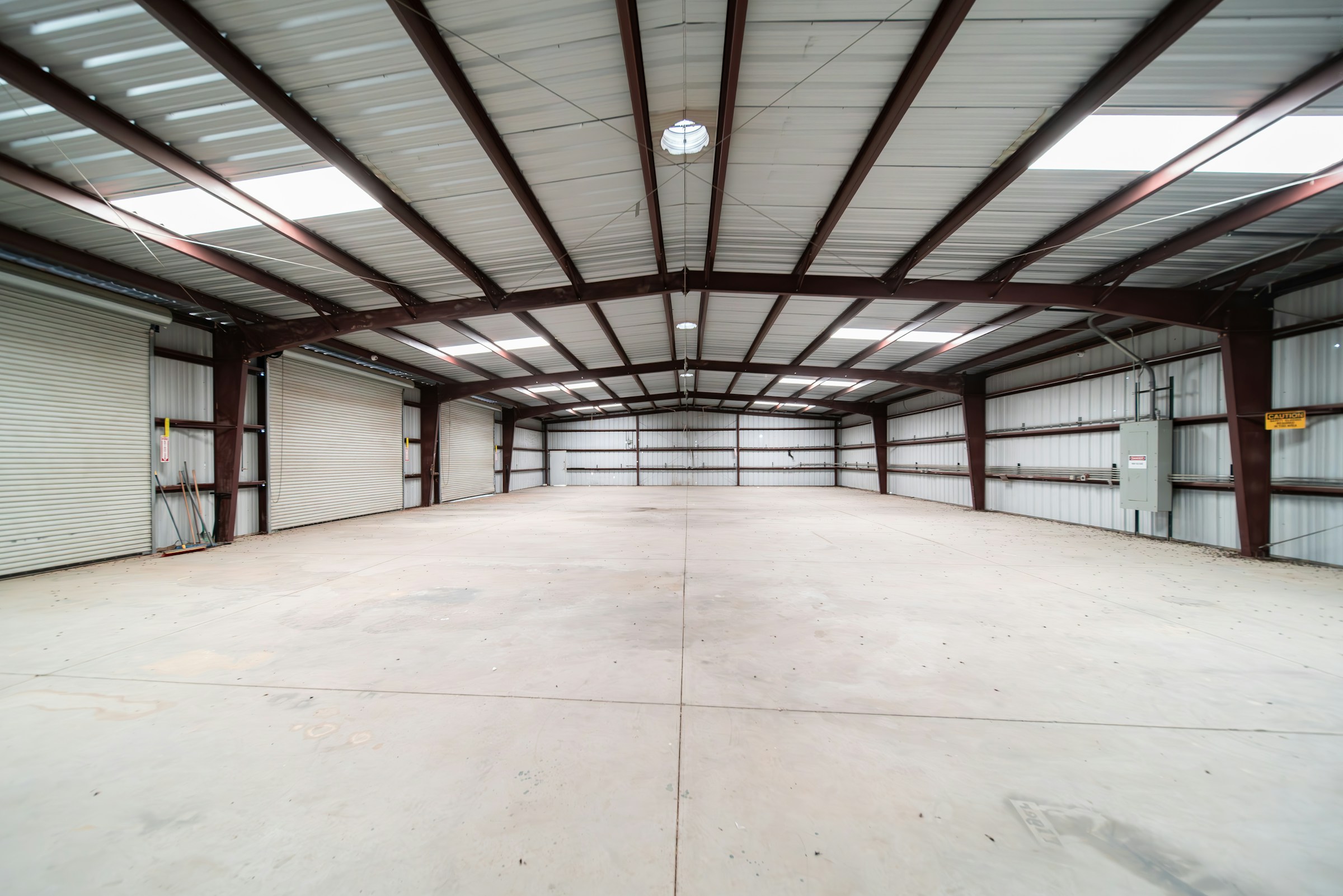
Choosing the right type of warehouse is critical for operational efficiency, cost management, and future scalability. In India, warehouses are commonly classified as Grade A and Grade B, each serving different business requirements.
Grade A warehouses are modern, purpose-built facilities designed to meet global standards. These warehouses typically feature high clear heights, large column spacing, strong floor load capacity, advanced fire safety systems, ample parking, and 24/7 security. They are often located near major highways, industrial corridors, or logistics hubs, ensuring smooth transportation.
Such warehouses are ideal for large-scale logistics companies, e-commerce players, FMCG brands, and businesses that require automation-ready infrastructure. Although rental costs are higher, the operational benefits, lower maintenance expenses, and compliance with regulations make Grade A warehouses a long-term value-driven choice.
On the other hand, Grade B warehouses are usually older or semi-modern structures. They may have lower ceiling heights, limited loading bays, basic fire safety measures, and less efficient layouts. These warehouses are generally located in secondary industrial zones or within city limits.
Grade B warehouses are suitable for small and medium enterprises, regional distributors, and businesses with lower storage or automation requirements. They offer cost advantages and flexibility but may involve higher maintenance and operational inefficiencies over time.
When deciding between Grade A and Grade B, businesses should evaluate factors such as inventory type, scalability needs, regulatory compliance, and budget. For companies planning long-term expansion, Grade A warehouses provide better efficiency and future readiness. For short-term or budget-sensitive operations, Grade B warehouses can still be a practical option.
Understanding these differences helps businesses align warehouse selection with growth objectives and operational demands.