Address
304 North Cardinal St.
Dorchester Center, MA 02124
Work Hours
Monday to Friday: 7AM - 7PM
Weekend: 10AM - 5PM
Address
304 North Cardinal St.
Dorchester Center, MA 02124
Work Hours
Monday to Friday: 7AM - 7PM
Weekend: 10AM - 5PM

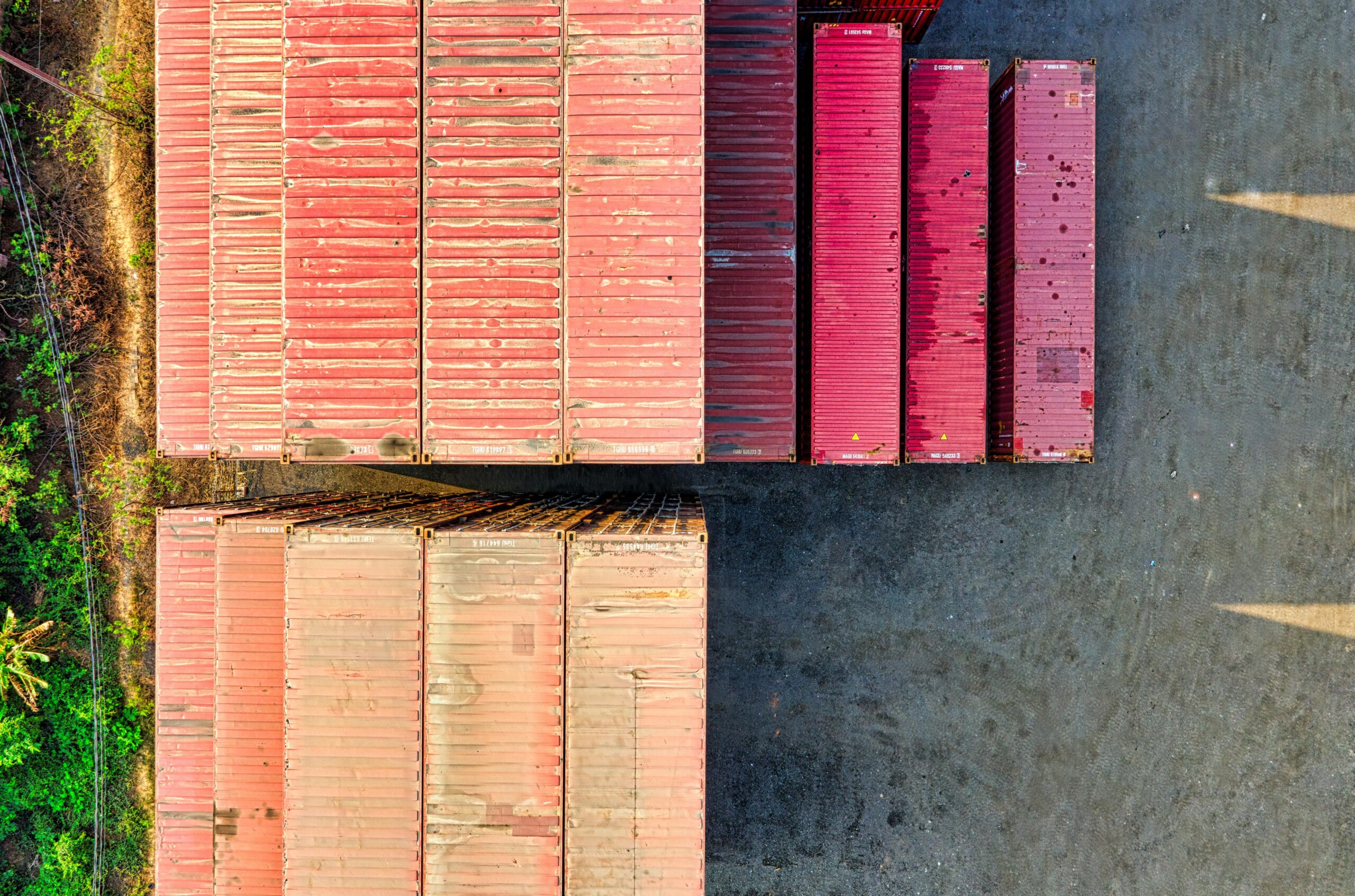
West Bengal is rapidly strengthening its position as Eastern India’s logistics gateway, driven by port connectivity, highway expansion, and industrial corridor development. As supply chains evolve and e-commerce demand accelerates, several logistics corridors across the state are emerging as high-potential zones for warehousing and industrial investment in 2026.
One of the most significant logistics hubs is the Dankuni–Howrah belt near Kolkata. Dankuni sits at the junction of major freight routes connecting eastern, northern, and northeastern India. Its proximity to the city’s consumption base and national highway network makes it a preferred location for distribution centers and last-mile logistics operations. Warehouses in this region benefit from excellent road and rail connectivity, ensuring efficient cargo movement.
The NH16 corridor connecting Kolkata to Kharagpur and further to Odisha is another rapidly developing logistics stretch. This highway forms part of the Golden Quadrilateral network, enabling seamless interstate freight transport. Industrial and logistics developments along this corridor are attracting manufacturing units and storage facilities due to easy access to ports and industrial clusters.
Haldia–Kolaghat industrial corridor is gaining importance due to port-linked logistics demand. Haldia Port handles significant cargo volumes, and the surrounding region is witnessing expansion of petrochemical, bulk storage, and export-oriented industries. Warehousing demand here is driven by port-based supply chains requiring storage, processing, and distribution infrastructure.
Durgapur–Asansol belt in western West Bengal is also emerging as a major logistics and industrial zone. Historically known for steel and heavy industry, this region now benefits from improved highway connectivity and industrial diversification. Logistics facilities here support mineral, manufacturing, and regional distribution networks across eastern and northern India.
Another corridor gaining attention is the Barasat–Bongaon stretch near the India-Bangladesh border. Cross-border trade growth and integrated check-post infrastructure are increasing logistics demand in this region. Warehouses located near trade routes can support export-import storage and distribution operations.
Infrastructure investments are the primary driver behind these logistics corridors. Highway upgrades, freight connectivity improvements, and industrial park development are reducing transportation time and improving supply chain efficiency. Businesses prefer locating warehouses in such corridors because transport accessibility directly influences delivery speed and cost efficiency.
For investors, logistics corridors offer strong long-term appreciation potential. Warehousing demand tends to cluster around transport nodes, ports, and industrial hubs. Early investment in emerging corridors often yields capital growth as infrastructure matures and industrial activity expands.
As West Bengal strengthens its logistics ecosystem, these corridors are expected to shape the state’s industrial geography in the coming years. Businesses and investors who align with these emerging logistics zones will benefit from improved connectivity, rising demand, and sustained industrial growth.