Address
304 North Cardinal St.
Dorchester Center, MA 02124
Work Hours
Monday to Friday: 7AM - 7PM
Weekend: 10AM - 5PM
Address
304 North Cardinal St.
Dorchester Center, MA 02124
Work Hours
Monday to Friday: 7AM - 7PM
Weekend: 10AM - 5PM

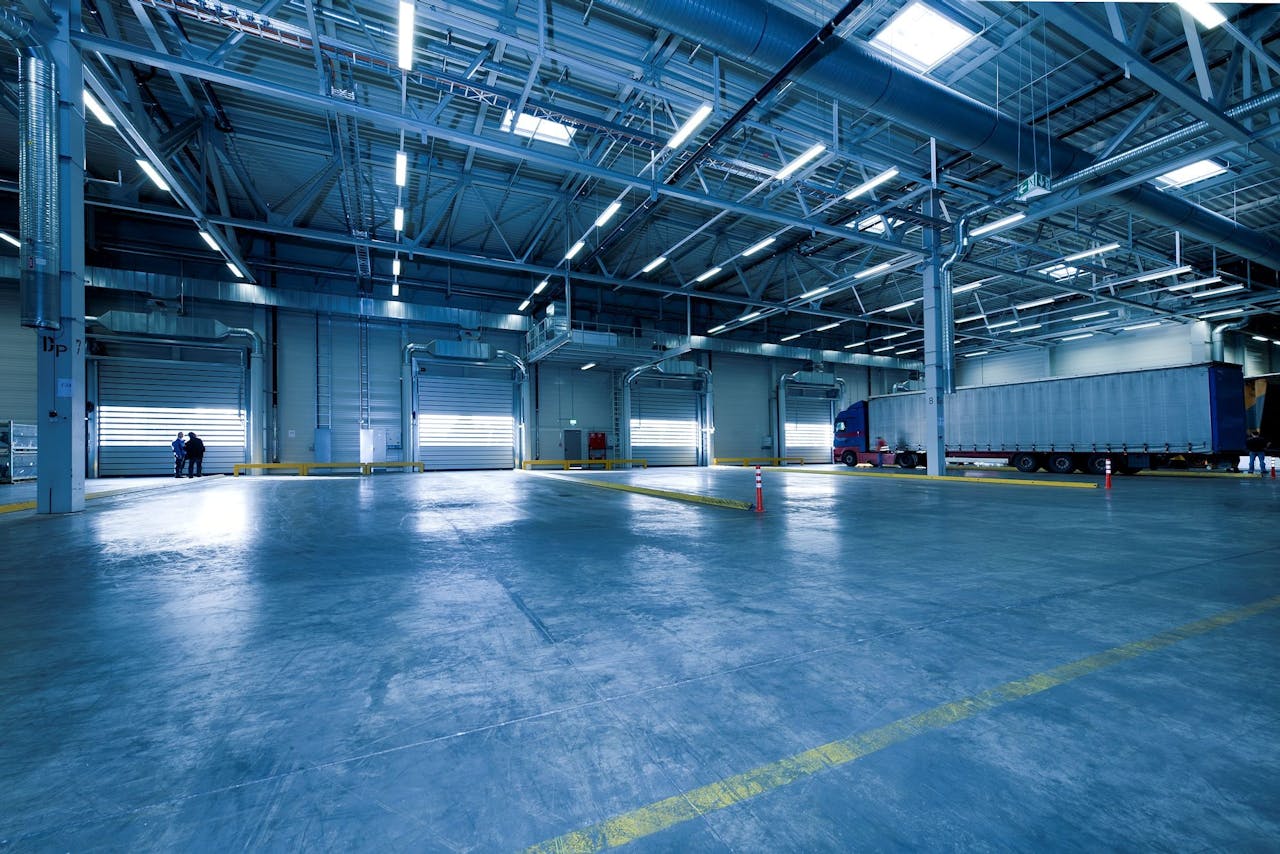
Choosing between ready-to-move and under-construction commercial property is a common dilemma for investors and business owners. Both options offer distinct advantages and risks, and the right choice depends on investment timeline, budget, and operational needs.
Ready-to-move commercial spaces provide immediate usability. Buyers can start business operations or rental income without waiting for project completion. This eliminates construction delay risk and ensures clarity regarding building quality, layout, and surrounding infrastructure. Investors seeking stable income often prefer ready assets for predictable returns.
Another benefit of ready properties is transparency. Buyers can physically inspect the property, assess footfall, connectivity, tenant mix, and amenities before purchase. This reduces uncertainty compared to buying based on plans or marketing materials. Financial institutions also prefer lending against completed commercial assets due to lower risk.
However, ready commercial properties generally have higher purchase prices. Since construction and approvals are complete, developers include project risk and holding cost in pricing. Appreciation potential may also be lower compared to early-stage investments, as a significant portion of value is already realized.
Under-construction commercial spaces, on the other hand, offer price advantage. Early investors often benefit from lower entry cost and potential appreciation during project development. As infrastructure and occupancy grow, property value increases before completion. This makes under-construction assets attractive for long-term investors.
Flexible payment schedules are another advantage of under-construction purchases. Staggered payments aligned with construction progress reduce upfront financial burden. Businesses planning future expansion can secure property early and take possession later when required.
The main risk in under-construction investment is project delay or execution uncertainty. Construction timelines may extend due to regulatory, financial, or market factors. Buyers must evaluate developer credibility, project approvals, and funding strength to mitigate these risks.
Investment goals ultimately determine the better option. Businesses needing immediate operational space should prioritize ready-to-move properties. Investors seeking capital appreciation with moderate risk may consider under-construction commercial assets from reliable developers.
Both property types play important roles in commercial real estate portfolios. Understanding their advantages and limitations allows buyers to align property selection with financial strategy and business objectives.