Address
304 North Cardinal St.
Dorchester Center, MA 02124
Work Hours
Monday to Friday: 7AM - 7PM
Weekend: 10AM - 5PM
Address
304 North Cardinal St.
Dorchester Center, MA 02124
Work Hours
Monday to Friday: 7AM - 7PM
Weekend: 10AM - 5PM

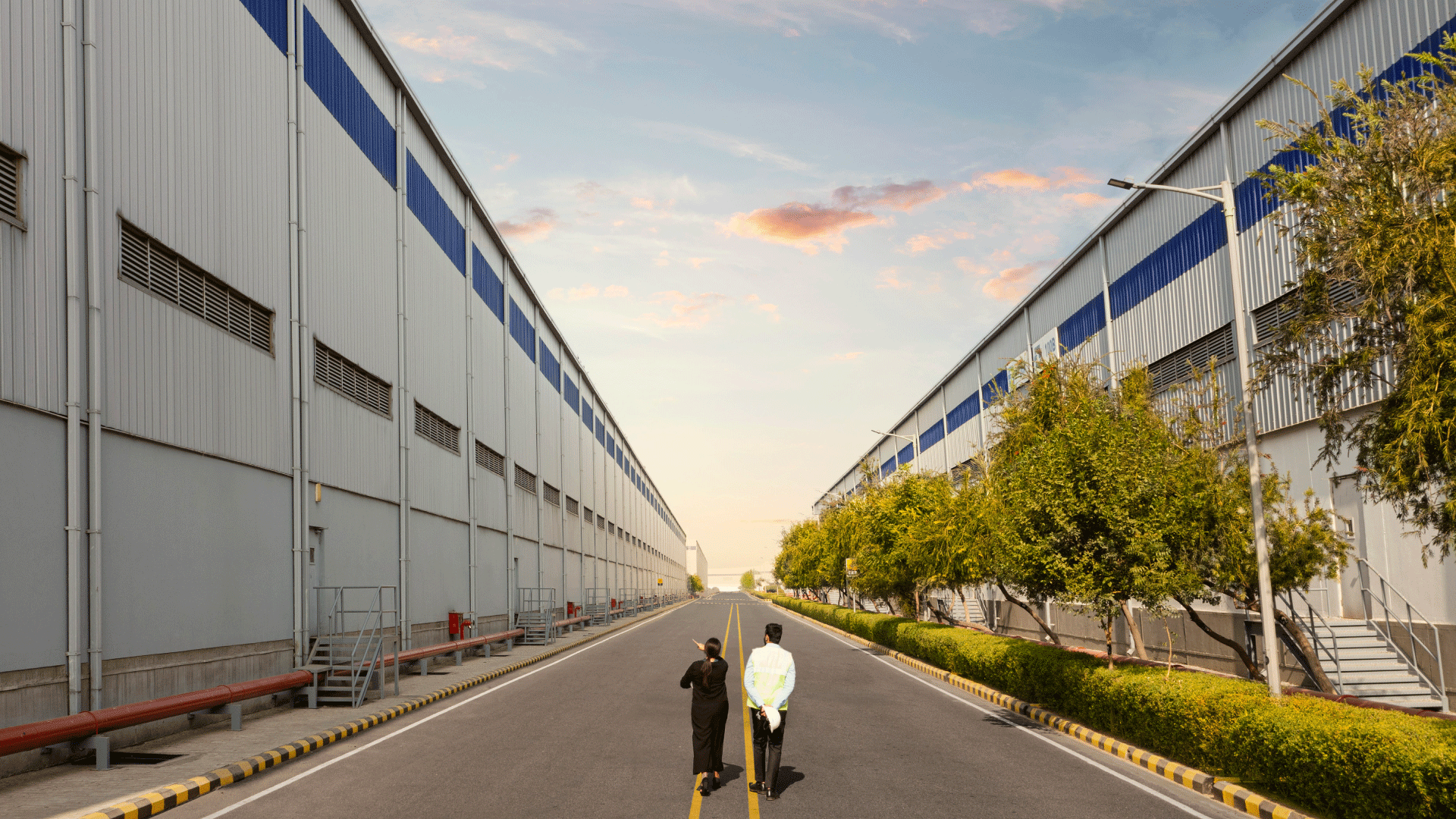
When businesses search for warehouse space, size is often the first parameter they consider. However, in modern logistics planning, connectivity plays a far more critical role than warehouse area. A strategically located warehouse can significantly reduce transportation costs, delivery time, and operational complexity.
Connectivity determines how efficiently goods move between suppliers, storage, and customers. Warehouses located near national highways, ports, rail freight corridors, or industrial clusters allow faster distribution and lower fuel consumption. In Eastern India, logistics hubs around Kolkata benefit from proximity to major freight routes and industrial zones, making them ideal for supply chain operations.
Transportation cost forms a major portion of logistics expenditure. A poorly connected warehouse may offer cheaper rent but increase long-term operational costs through higher delivery time, fuel usage, and vehicle wear. Businesses today prioritize transport efficiency over warehouse size because logistics speed directly affects customer satisfaction and competitiveness.
Another advantage of well-connected warehouse locations is scalability. As businesses grow, distribution volumes increase. Warehouses located in logistics corridors allow easier fleet movement, access to transporters, and integration with supply networks. This flexibility supports business expansion without relocation.
Connectivity also influences labor availability. Warehouses situated near populated regions or industrial belts ensure access to workforce, transport services, and support infrastructure. Remote warehouses may struggle with staffing and operational continuity despite offering large storage areas.
Modern e-commerce and retail distribution models demand rapid delivery cycles. Same-day or next-day delivery commitments require warehouses positioned close to consumption centers. Companies therefore prefer multiple strategically located mid-size warehouses rather than one large distant facility.
Regulatory and infrastructure support further strengthen connectivity advantages. Industrial parks and planned warehousing zones often provide better road access, utilities, and logistics ecosystem support. Businesses operating within such clusters benefit from shared infrastructure and operational efficiency.
Ultimately, the effectiveness of a warehouse depends less on its size and more on its position within the logistics network. Businesses that prioritize connectivity when selecting warehouse locations achieve faster distribution, lower costs, and stronger supply chain resilience.