Address
304 North Cardinal St.
Dorchester Center, MA 02124
Work Hours
Monday to Friday: 7AM - 7PM
Weekend: 10AM - 5PM
Address
304 North Cardinal St.
Dorchester Center, MA 02124
Work Hours
Monday to Friday: 7AM - 7PM
Weekend: 10AM - 5PM

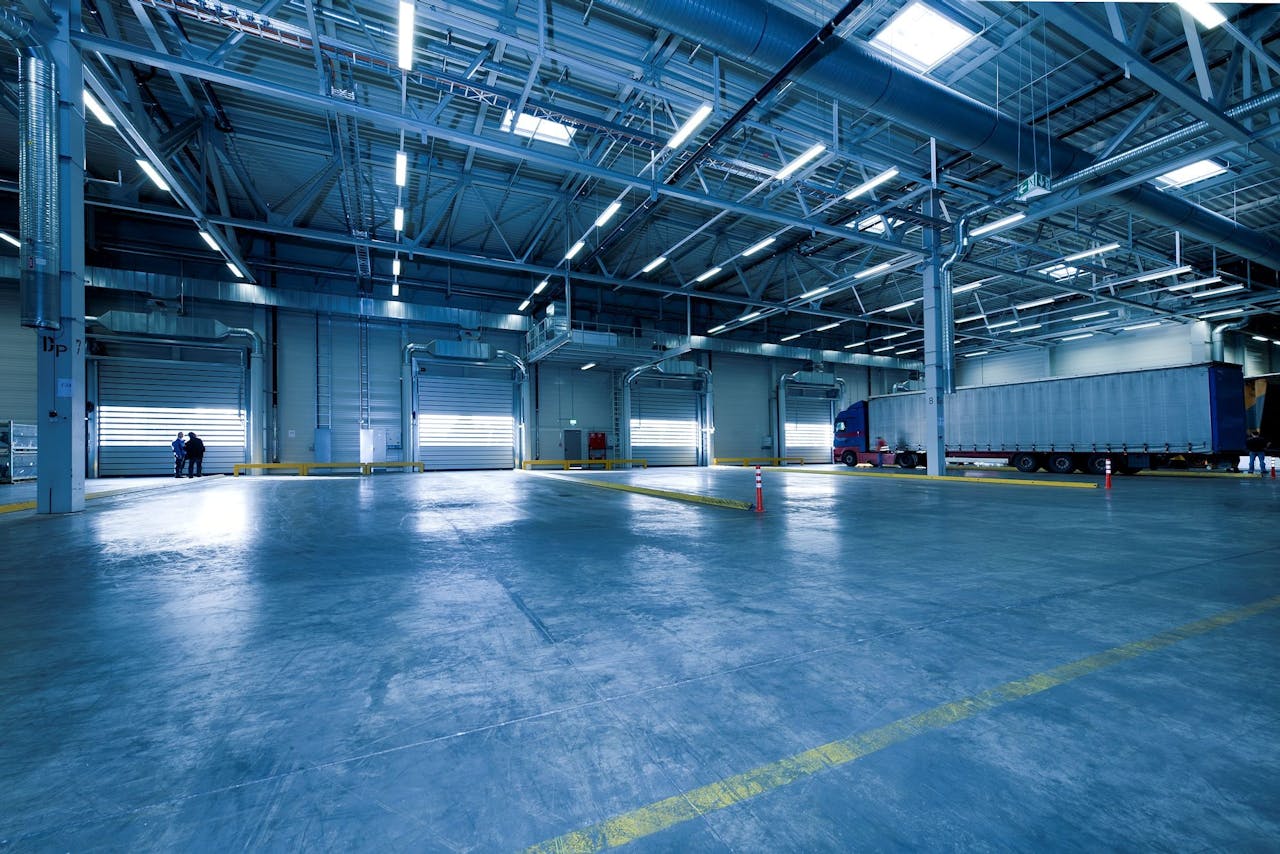
India’s logistics and manufacturing sectors are undergoing rapid transformation, and warehousing requirements are evolving beyond generic storage facilities. Businesses today seek infrastructure tailored to their operational workflows, automation systems, and supply chain models. This shift is driving the rise of built-to-suit (BTS) warehouses, which are increasingly becoming the preferred industrial leasing model across India.
Built-to-suit warehouses are custom-designed facilities developed specifically for a tenant’s requirements. Unlike ready warehouses, BTS facilities are planned around storage layout, loading systems, floor load capacity, ceiling height, and automation integration. This customization improves operational efficiency and reduces long-term logistics costs for occupiers.
E-commerce, FMCG, and third-party logistics companies are the primary adopters of BTS warehousing. These industries require specialized configurations such as high-bay racking, temperature control zones, automated sorting lines, and multiple loading docks. Standard warehouses often cannot support these features efficiently, making built-to-suit development more viable.
Another advantage of BTS warehouses is location optimization. Companies can select land parcels aligned with their distribution network and have developers construct facilities suited to that site. This ensures ideal truck movement, access roads, and transport connectivity tailored to business operations. In logistics planning, facility layout and location must work together, which BTS enables effectively.
For developers and investors, built-to-suit leasing offers long-term income stability. BTS projects typically involve long lease tenures with lock-in periods, ensuring predictable rental cash flow. Since the facility is customized for a specific tenant, relocation probability is low, reducing vacancy risk. Institutional investors increasingly prefer BTS assets for this reason.
Cost efficiency is another factor supporting BTS growth. While construction cost may be higher initially, operational savings over time offset this investment. Optimized layouts reduce handling time, labor costs, and storage inefficiencies. Energy-efficient design and automation compatibility further improve long-term cost performance.
In Eastern India, warehousing demand is expanding alongside manufacturing and consumption growth. Businesses entering new regional markets prefer BTS facilities rather than adapting generic warehouses. As logistics sophistication increases, customized infrastructure will become standard rather than optional.
Built-to-suit warehousing represents the future of industrial leasing because it aligns infrastructure with business strategy. Companies gain efficiency and scalability, while developers secure long-term tenants and stable returns. This mutually beneficial model is reshaping India’s logistics real estate landscape.