Address
304 North Cardinal St.
Dorchester Center, MA 02124
Work Hours
Monday to Friday: 7AM - 7PM
Weekend: 10AM - 5PM
Address
304 North Cardinal St.
Dorchester Center, MA 02124
Work Hours
Monday to Friday: 7AM - 7PM
Weekend: 10AM - 5PM

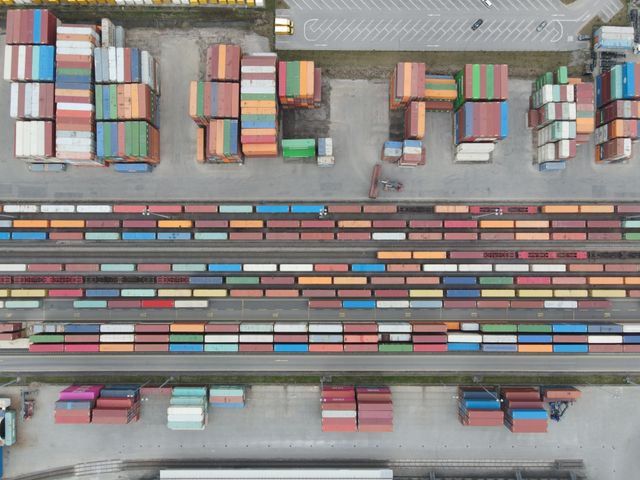
A warehouse is no longer simply a place where products are stored. For modern businesses, it is an important part of the supply chain. The right warehouse location can influence delivery times, transportation costs, inventory movement, and the overall efficiency of business operations.
This makes location one of the most important decisions when choosing a warehouse and logistics hub in Kolkata.
Kolkata’s position as a major commercial centre in Eastern India gives it an important role in the movement of goods across the region. Businesses can use the city and its surrounding industrial areas as a base for manufacturing, storage, distribution, and last-mile operations.
However, not every warehouse location offers the same advantages. Businesses need to look beyond the size and rental or purchase price of a property and consider how the location will perform as their operations grow.
The first consideration when evaluating a logistics location is connectivity.
A warehouse should provide convenient access to major roads and transportation routes. Good road connectivity allows trucks and other commercial vehicles to move goods efficiently between the warehouse, suppliers, manufacturing facilities, distribution centres, and customers.
For businesses handling frequent shipments, poor connectivity can quickly become an operational problem. Delays in reaching major roads can increase transportation time and add unnecessary costs.
A strategically located warehouse can help businesses create smoother movement of goods throughout their supply chain.
Kolkata benefits from multiple modes of transportation, making it an important logistics location for Eastern India.
Businesses may require access to road, rail, air, or port infrastructure depending on the nature of their operations.
For example, companies involved in large-scale distribution may prioritize highway access, while businesses handling imported or exported goods may consider proximity to port facilities.
The ideal location depends on the company’s supply chain. Understanding where products originate and where they need to go is essential before choosing a warehouse.
A warehouse can also influence how quickly a company reaches its customers.
Businesses serving Kolkata and nearby markets may benefit from positioning inventory within convenient reach of major consumption centres. This can be particularly useful for e-commerce, retail, FMCG, and distribution businesses where delivery speed matters.
Companies with customers across multiple districts or neighbouring states may instead look for a central location that provides balanced access to several markets.
The best location is therefore not necessarily the one closest to the business headquarters. It is the one that fits the overall distribution network.
Warehouse requirements extend beyond the main storage building.
Businesses may need space for loading and unloading, vehicle movement, employee parking, packaging, sorting, offices, and future expansion.
A location with sufficient surrounding infrastructure can make daily operations considerably easier.
Heavy commercial vehicles also require adequate access. Narrow internal roads, limited turning areas, or insufficient loading space can create delays even when the warehouse itself is well constructed.
The quality of the surrounding development is another important consideration.
A well-planned logistics development can provide infrastructure that supports businesses from the moment they begin operations.
Important features can include:
These features contribute to smoother warehouse operations and can reduce the need for businesses to make extensive modifications after moving in.
Warehouses and logistics operations depend on people.
From warehouse supervisors and inventory teams to drivers, security staff, and administrative employees, businesses need reliable access to their workforce.
A warehouse located in an isolated area may make employee recruitment and retention more difficult.
When evaluating a location, businesses should consider nearby residential areas, public transportation, roads, and other factors that affect employee accessibility.
This is particularly important for warehouses operating multiple shifts.
A logistics operation that works today may not be sufficient several years from now.
Inventory volumes can increase, new customers can be added, and businesses may introduce additional product lines. These changes can create a need for more storage or operational space.
When selecting a warehouse location, businesses should therefore consider the growth potential of the surrounding area.
A location that offers opportunities for expansion can help companies avoid the disruption and expense associated with relocating their logistics operations later.
A strong logistics location often benefits from being part of a wider business ecosystem.
Nearby manufacturing units, suppliers, distributors, transport companies, and other businesses can create operational advantages.
Industrial parks and planned developments can be particularly useful because they bring multiple business activities into a structured environment.
This can make it easier to access supporting services and establish relationships within the local business community.
Kolkata’s role as a gateway to Eastern and North-Eastern India makes it an important consideration for businesses planning regional distribution.
Its established transportation infrastructure and commercial ecosystem provide opportunities for companies across manufacturing, retail, e-commerce, logistics, and wholesale distribution.
As supply chains become increasingly focused on speed and efficiency, strategically located warehouses can play a larger role in helping businesses serve expanding markets.
The location may attract a business, but the quality of the development can determine how effectively that location performs.
Businesses should work with developers who understand industrial and logistics requirements and can provide properly planned infrastructure.
Jalan Builders focuses on developing industrial and commercial properties designed around practical business requirements. Strategic planning, infrastructure, accessibility, and long-term usability are important considerations when developing spaces for modern businesses.
For companies searching for a warehouse and logistics hub in Kolkata, choosing a professionally planned development can provide a stronger foundation for future operations.
The best warehouse location is not determined by price or distance alone. Connectivity, transport access, customer proximity, workforce availability, infrastructure, and future expansion opportunities all influence the long-term value of a logistics property.
For businesses operating in Eastern India, Kolkata offers a strategic base for storage and distribution. By carefully evaluating the location and surrounding infrastructure, companies can select a warehouse that supports both current operations and future growth.
A well-chosen warehouse and logistics hub in Kolkata can ultimately become more than a storage facility it can become an important part of a company’s supply-chain strategy.