Address
304 North Cardinal St.
Dorchester Center, MA 02124
Work Hours
Monday to Friday: 7AM - 7PM
Weekend: 10AM - 5PM
Address
304 North Cardinal St.
Dorchester Center, MA 02124
Work Hours
Monday to Friday: 7AM - 7PM
Weekend: 10AM - 5PM

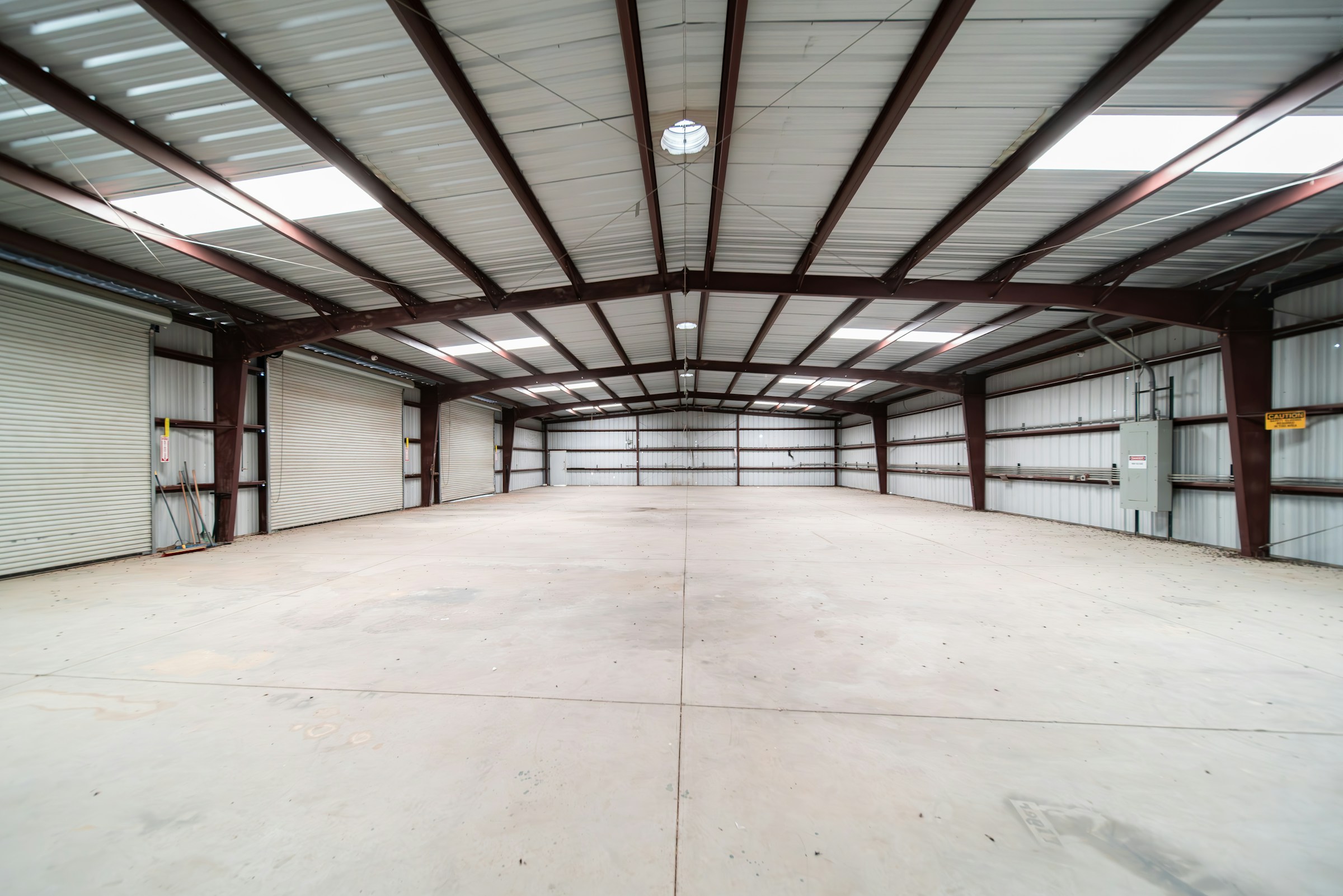
Commercial real estate has become one of the most attractive investment options for individuals and businesses seeking long-term value. Unlike residential properties, commercial assets often provide steady rental income, longer lease agreements, and the potential for significant capital appreciation.
With Kolkata emerging as a major business hub in Eastern India, the demand for quality office spaces, retail establishments, and mixed-use developments continues to grow. However, not every commercial property delivers the same returns. Understanding what makes a commercial investment worthwhile can help you make an informed decision.
Commercial properties serve a variety of purposes, including office spaces, retail outlets, showrooms, warehouses, and business parks. As businesses expand and new enterprises enter the market, the need for well-located commercial spaces increases.
Some of the primary benefits of commercial property investment include:
While returns can be attractive, choosing the right property requires careful planning and research.
The location of a commercial property is often the biggest factor influencing its success.
Properties situated near business districts, major roads, metro stations, and commercial hubs generally experience stronger demand from tenants and buyers.
When evaluating a location, consider:
A strategic location not only attracts businesses but can also contribute to long-term property appreciation.
Different businesses have different space requirements.
For example:
Understanding the intended use of the property helps ensure it meets market demand.
A commercial property should be built to support long-term business operations.
Before investing, inspect:
Well-maintained commercial buildings often attract quality tenants and reduce maintenance issues over time.
Many investors purchase commercial properties with the goal of generating rental income.
To estimate earning potential, research:
Properties in established commercial corridors generally experience more stable occupancy.
Infrastructure projects often influence commercial property values.
Upcoming developments such as:
can improve accessibility and attract more businesses to the area.
Investing before major infrastructure projects are completed may provide stronger long-term appreciation.
Every commercial property should have clear legal documentation.
Important documents include:
Legal verification helps reduce the risk of ownership disputes and future complications.
Owning commercial property involves ongoing expenses.
Evaluate costs such as:
Understanding these expenses allows you to calculate the property’s overall return on investment more accurately.
Before purchasing, study the local commercial real estate market.
Questions to consider include:
Strong market demand contributes to better occupancy rates and long-term investment stability.
The developer’s reputation plays an important role in the overall value of a commercial property.
Established developers typically offer:
Investing in projects developed by experienced builders can reduce risks and improve long-term satisfaction.
Commercial property should be viewed as a long-term investment.
Instead of focusing only on today’s rental income, consider factors such as:
A property with strong long-term potential often delivers greater overall returns.
Kolkata has witnessed steady commercial development over the past several years. Expanding business districts, improved infrastructure, growing retail activity, and increasing demand for office space continue to create opportunities for commercial real estate investors.
Businesses seek locations that offer accessibility, quality infrastructure, and room for future growth, making strategically located commercial properties an attractive investment option.
Commercial property investment requires careful evaluation of location, construction quality, legal compliance, rental potential, and future market demand.
By researching these factors thoroughly and partnering with a trusted developer, investors can make informed decisions that support long-term financial growth.
Whether you’re purchasing office space, retail property, or a commercial unit for investment, selecting the right property today can provide valuable returns for years to come.