Address
304 North Cardinal St.
Dorchester Center, MA 02124
Work Hours
Monday to Friday: 7AM - 7PM
Weekend: 10AM - 5PM
Address
304 North Cardinal St.
Dorchester Center, MA 02124
Work Hours
Monday to Friday: 7AM - 7PM
Weekend: 10AM - 5PM

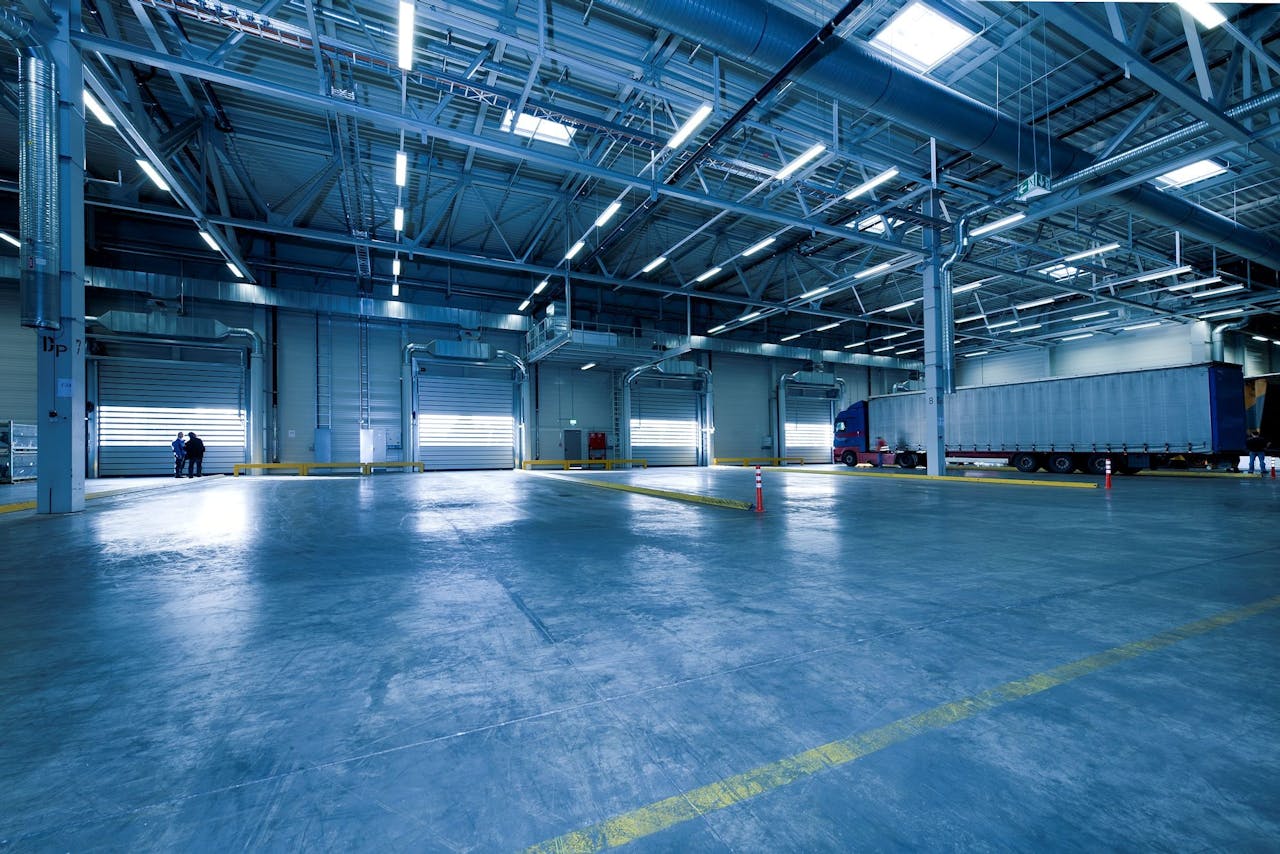
Selecting the right warehouse location is one of the most important decisions for any business involved in manufacturing, distribution, e-commerce, or logistics. A strategically located warehouse can streamline operations, reduce transportation costs, improve delivery timelines, and support long-term business growth.
As supply chains become more complex and customer expectations continue to rise, businesses need warehouse facilities that offer more than just storage space. The right location can significantly impact operational efficiency and overall profitability.
Whether you’re leasing or purchasing a warehouse, understanding the factors that influence location selection can help you make a smart investment.
A warehouse serves as the backbone of your supply chain. Its location directly affects inventory management, transportation costs, delivery speed, and customer satisfaction.
Choosing the wrong location can lead to increased fuel expenses, delayed deliveries, higher operating costs, and reduced business efficiency.
On the other hand, a well-positioned warehouse improves logistics performance while creating opportunities for future expansion.
Excellent connectivity is one of the most critical factors when choosing a warehouse location.
Look for warehouses that provide easy access to:
Good transportation links reduce transit time and improve the movement of goods across different regions.
The closer your warehouse is to your primary customer base, the faster you can fulfill orders.
Businesses involved in retail, e-commerce, FMCG, and manufacturing often benefit from warehouses located near major cities or high-demand markets.
Reduced delivery distances can lower transportation costs while improving customer satisfaction.
If your business relies heavily on raw materials or frequent supplier deliveries, choosing a warehouse near your suppliers can improve inventory management.
Shorter transportation distances help reduce freight costs and minimize delays in production.
Modern warehouse operations require strong supporting infrastructure.
When evaluating a property, check for:
Well-developed infrastructure contributes to smooth daily operations.
Selecting a warehouse based only on your current storage needs may limit future growth.
Consider:
A scalable warehouse allows your business to grow without relocating frequently.
Warehouse operations require skilled and semi-skilled workers.
Choosing a location with access to a reliable workforce can simplify recruitment and improve operational efficiency.
Employee accessibility through public transportation is another important consideration.
Before purchasing or leasing a warehouse, verify all legal documents.
Important documents include:
Legal verification protects your business from future disputes and operational interruptions.
Warehouses often store valuable inventory, making security a top priority.
Look for facilities that offer:
Strong security measures help protect inventory and business assets.
Transportation is one of the largest recurring expenses in warehouse operations.
A strategically located warehouse reduces:
Lower logistics costs directly improve overall profitability.
Your warehouse requirements may increase as your business grows.
When selecting a location, evaluate whether the surrounding area offers opportunities for:
Planning ahead can save significant relocation costs later.
Warehouses located within established industrial or logistics zones often provide operational advantages.
These areas typically offer:
Operating within a developed industrial region can improve overall efficiency.
Modern warehouses increasingly incorporate features that improve operational performance.
These may include:
While these features may reduce long-term operating costs, they also contribute to smoother facility management.
West Bengal has emerged as an important logistics destination due to its strategic location, expanding transportation infrastructure, and growing industrial activity.
Improved highway connectivity, increasing e-commerce demand, and the development of industrial corridors have created new opportunities for businesses seeking warehouse space in the region.
Companies across sectors are investing in modern warehousing facilities to strengthen their supply chains and improve distribution efficiency.
Choosing the right warehouse location requires more than finding available storage space. Businesses should carefully evaluate connectivity, infrastructure, legal compliance, workforce availability, security, transportation costs, and future expansion opportunities.
A strategically located warehouse supports efficient operations, enhances customer service, and contributes to long-term business success.
Whether you’re expanding an existing supply chain or establishing a new distribution network, investing time in selecting the right warehouse location can deliver significant operational and financial benefits.