Address
304 North Cardinal St.
Dorchester Center, MA 02124
Work Hours
Monday to Friday: 7AM - 7PM
Weekend: 10AM - 5PM
Address
304 North Cardinal St.
Dorchester Center, MA 02124
Work Hours
Monday to Friday: 7AM - 7PM
Weekend: 10AM - 5PM

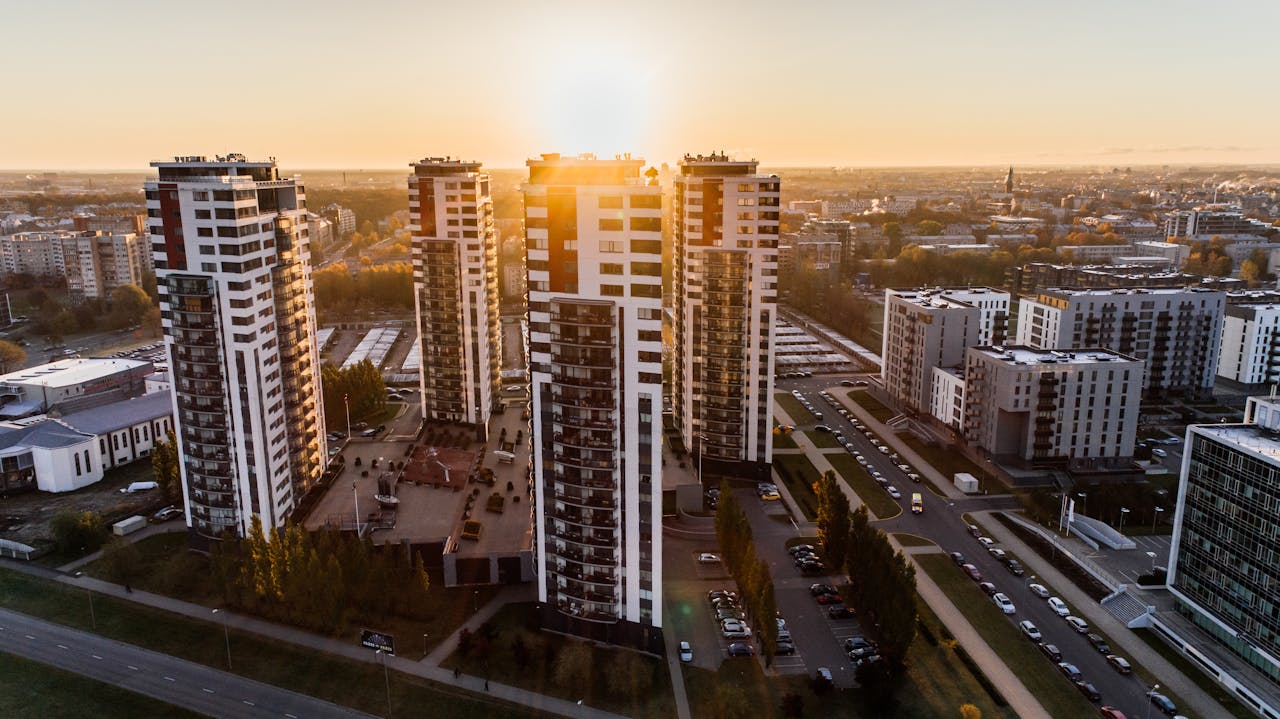
Industrial development plays a vital role in economic growth, and with increasing investments in manufacturing, logistics, and warehousing, the demand for industrial land in West Bengal continues to rise. Businesses are looking for strategically located land that supports efficient operations, future expansion, and long-term returns.
Whether you’re planning to establish a manufacturing unit, develop a warehouse, or invest in industrial real estate, purchasing the right industrial land requires careful evaluation. Factors such as location, legal approvals, infrastructure, and connectivity can significantly influence the success of your investment.
This guide explores the essential aspects every buyer should consider before investing in industrial land in West Bengal.
Industrial land is a valuable long-term asset for businesses and investors. As industrial activities expand and infrastructure improves, well-located land often appreciates in value while creating opportunities for future development.
Some of the key advantages include:
Unlike residential properties, industrial land can support a wide range of commercial and operational activities depending on local regulations and business requirements.
Location is one of the most critical factors in industrial land investment.
A strategically located property helps businesses reduce transportation costs, improve supply chain efficiency, and access customers more effectively.
When evaluating locations, consider:
Good connectivity supports faster movement of raw materials and finished products, improving operational efficiency.
Industrial operations depend on reliable infrastructure.
Before purchasing land, assess the availability of:
Developed infrastructure reduces future development costs and supports uninterrupted business operations.
Clear ownership is essential before making any investment.
Ensure that the seller has a valid legal title and that ownership records are complete and properly documented.
Review documents such as:
Any inconsistencies should be resolved before completing the purchase.
Not every plot of land can be used for industrial purposes.
Verify that the land is designated for industrial use under applicable zoning regulations.
Understanding land-use permissions helps avoid legal issues and ensures that your proposed business activities comply with local development guidelines.
Depending on the intended industrial activity, various approvals may be required before development begins.
These may include approvals related to:
Obtaining the necessary permissions in advance can prevent delays during project execution.
Certain industrial projects require compliance with environmental regulations.
Before purchasing land, evaluate:
A detailed assessment helps determine whether the land is suitable for your intended operations.
Business requirements often evolve over time.
When selecting industrial land, think beyond your immediate needs.
Ask yourself:
Planning for future growth can reduce relocation costs and improve operational flexibility.
Industrial facilities require access to skilled and semi-skilled labor.
Evaluate whether the surrounding region offers:
Easy access to a reliable workforce supports long-term operational success.
Before investing, research the local industrial market.
Key factors include:
Strong market demand often contributes to higher land appreciation and greater investment potential.
The purchase price is only one part of the investment.
Additional costs may include:
Estimating the total project cost helps businesses plan their finances more effectively.
West Bengal’s strategic location in eastern India makes it an important gateway for trade and commerce. Improved transportation networks, expanding logistics infrastructure, and growing industrial investments continue to attract businesses across various sectors.
The state’s connectivity to neighboring regions, ports, and major transportation corridors supports manufacturing, warehousing, and distribution activities. As infrastructure continues to develop, industrial land in well-connected locations is expected to remain an attractive investment option.
Purchasing industrial land through a reputable developer offers several advantages, including transparent documentation, quality infrastructure, and professional guidance throughout the buying process.
Experienced developers understand regulatory requirements and can help businesses identify locations that align with their operational and investment objectives.
Industrial land investment requires careful planning, detailed research, and a clear understanding of both current business needs and future growth opportunities.
By evaluating location, infrastructure, legal documentation, zoning regulations, environmental factors, and market demand, buyers can make informed decisions that support long-term success.
Whether you’re establishing a manufacturing facility, expanding logistics operations, or making a strategic real estate investment, choosing the right industrial land today can create valuable opportunities for tomorrow.